
From researcher to entrepreneur: The journey of
Dr K Rajeshwari
The founder of Bioklone turned her expertise in monoclonal antibodies into a research services company that now works with scientists and institutions worldwide.
By Jayanti Dutta
| Posted on May 6, 2026
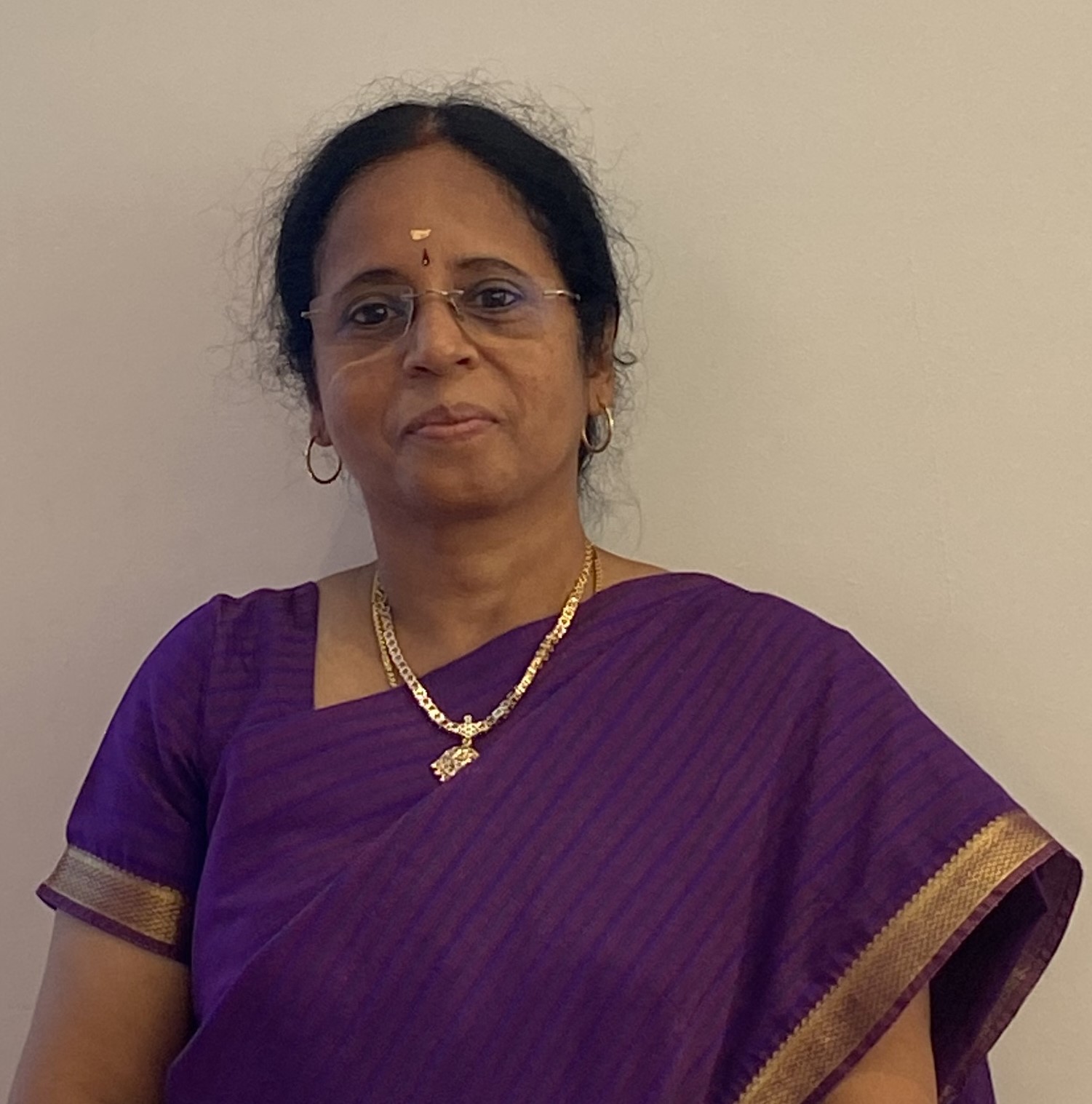
Chennai, Tamil Nadu: When the start-up revolution in India was just picking up, Dr K Rajeshwari, founder and managing director of Bioklone, took a leap into scientific entrepreneurship.
More than two decades later, the Chennai-based Contract Research Organisation has developed over 1,000 customised antibodies and assays for over 500 clients worldwide.Rajeshwari’s journey, from a studious girl who once aspired to become a doctor to a scientist entrepreneur, is marked by persistence and thoughtful risk-taking. Much of the credit, she says, goes to her conviction in her capabilities, thoughtful risk-taking ability and courage to take the leap.
She grew up in a family that supported her ambitions. Her father, a government employee, and her mother, a homemaker, encouraged both Rajeshwari and her younger brother to develop self-confidence and take on challenges. Alongside academics, she also pursued music, a talent she inherited from her mother, a Carnatic musician.
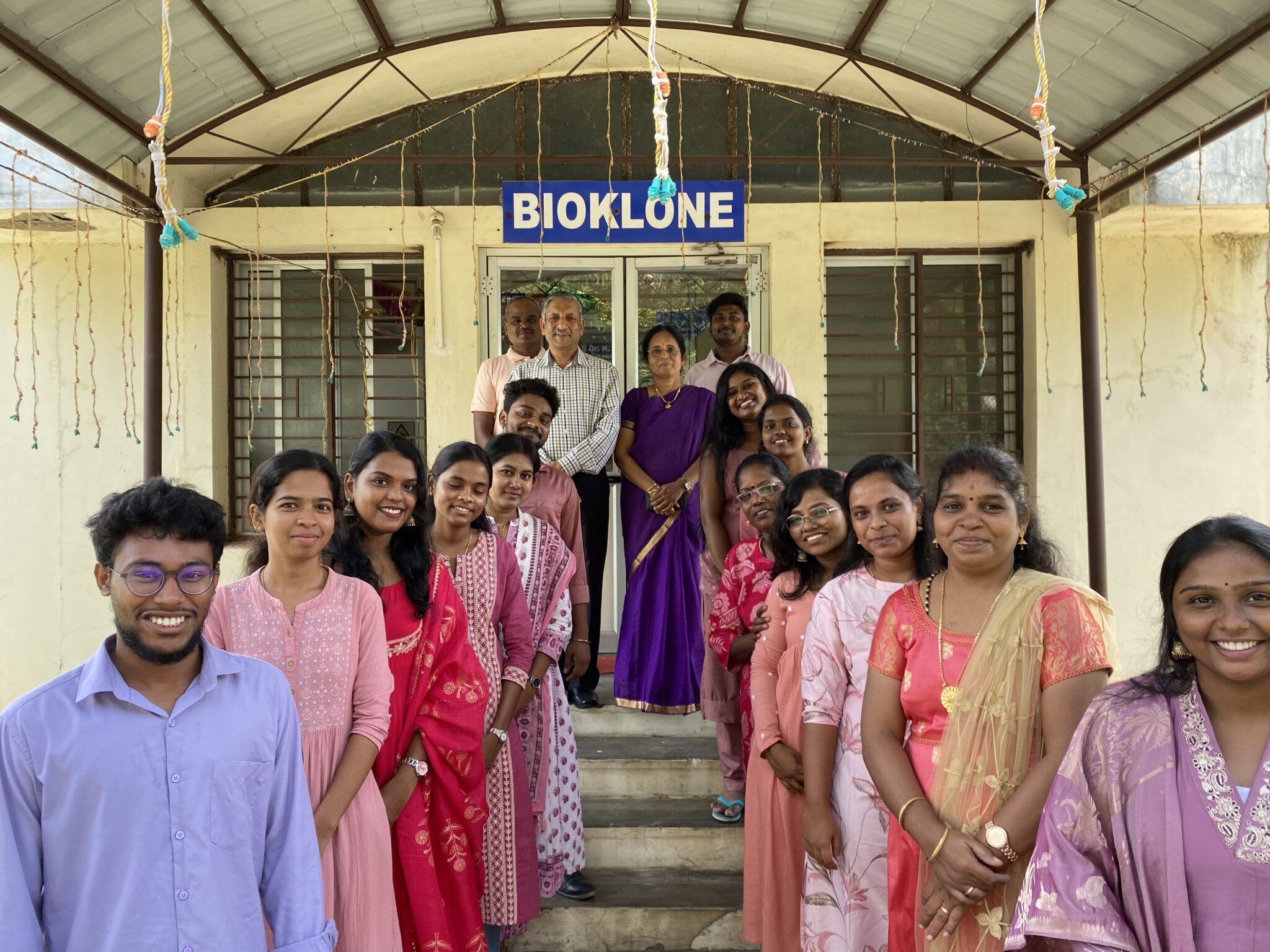
Celebrating Bioklone’s achievements with staff; Dr Rajeshwari started the company in 2006
Rajeshwari initially wanted to study medicine but narrowly missed securing a medical seat. Instead of seeing it as a setback, she shifted her focus to science, with the aim of pursuing a PhD.
She completed a BSc in Microbiology from Mumbai in 1987 and an MSc in Biotechnology from Madurai Kamaraj University in 1990. A summer training programme at the Centre for Cellular and Molecular Biology in Hyderabad in 1991 exposed her to emerging ideas in biotechnology.
She was fortunate to have inspiring teachers, exposure to cutting-edge ideas in science and supportive peers. She got a rigorous grounding in key domains of the upcoming fields of biotechnology, such as genetic engineering, immunology and biochemistry. Interactions with scientists and fellow researchers during her PhD research at the Indian Institute of Science (IISc), Bengaluru, gave her career the fine polish and prepared her to work as a scientist.
In India, often the barriers for women in science come up at this juncture when the prospects of marriage and family life and that of a demanding career clash with each other. Rajeshwari got married in 1995 to a naval officer posted in Cochin, midway through her PhD. She completed her research and submitted her thesis in early 1998. Immediately after her PhD, she went to Thomas Jefferson University (TJU), Philadelphia, USA, for her post-doctoral research.
It is to Rajeshwari’s credit that within her short stay in TJU, she could not only publish two papers but also win the appreciation of her mentor, who offered to give her an extended tenure. From 1998 to 2001, Dr Rajeshwari had a brief break in her career and was busy looking after her little son and daughter. In 2001, her husband was transferred to Mumbai, and she joined Dr Shobhona Sharma’s lab in the Tata Institute of Fundamental Research (TIFR), Mumbai, as a visiting fellow. At TIFR, she worked on developing and characterising monoclonal antibodies to proteins of the malarial parasite Plasmodium falciparum. Monoclonal antibodies are laboratory-developed proteins designed to bind to specific targets on antigens. Because they recognise a single site on a virus, cancer cell or other molecule, they are widely used in medical research, diagnostics and treatment.
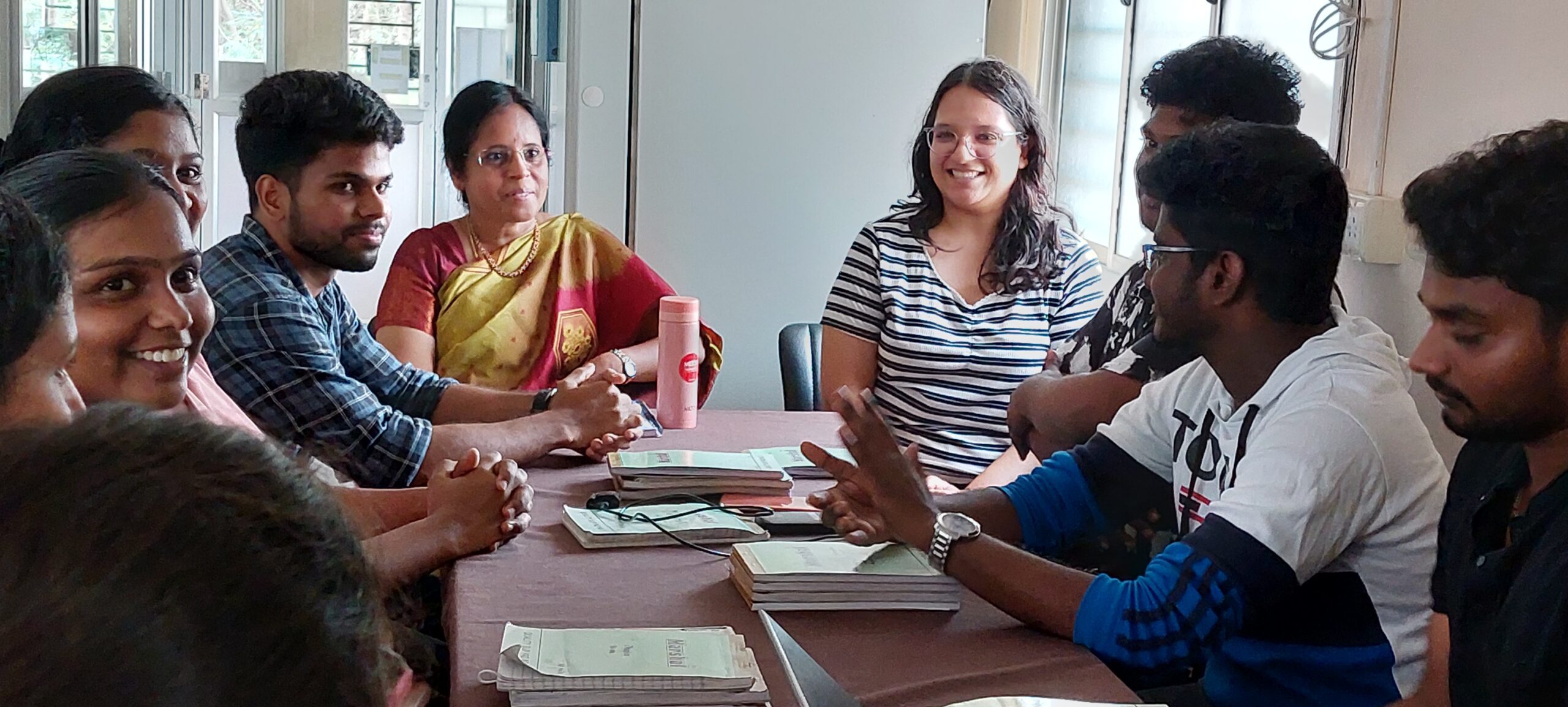
Dr Rajeshwari at a Bioklone team meeting
Rajeshwari had earlier learned hybridoma technology—the process used to develop monoclonal antibodies—from her PhD mentor, Prof Anjali Karande, at IISc. Her work at TIFR allowed her to refine these skills while working on multiple peptides and proteins. Over time, Rajeshwari developed expertise in creating monoclonal antibodies, which were in demand among research laboratories. She worked as a consultant on custom antibody development until 2006. That year, she founded Bioklone and started developing monoclonal antibodies for scientists in TIFR Mumbai and the National Centre for Biological Sciences (NCBS) Bengaluru. In 2008, she decided to relocate to Chennai and initiate her business operations. She signed a rental agreement with the Technology Business Incubator at Anna University for the laboratory space and equipment. She also signed an agreement with the Technology Business Incubator at Madras University for using the animal house facility on a rental basis. She started Bioklone operations in Chennai in October 2008 with two employees, to whom she provided the requisite training. Within a year, several orders started streaming in. In 2010, Rajeshwari set up her facility in the Biotech park at Siruseri, bootstrapping with her husband and investing Rs 55 lakhs for infrastructure and equipment. Finally, the dream to have an independent company was realised.
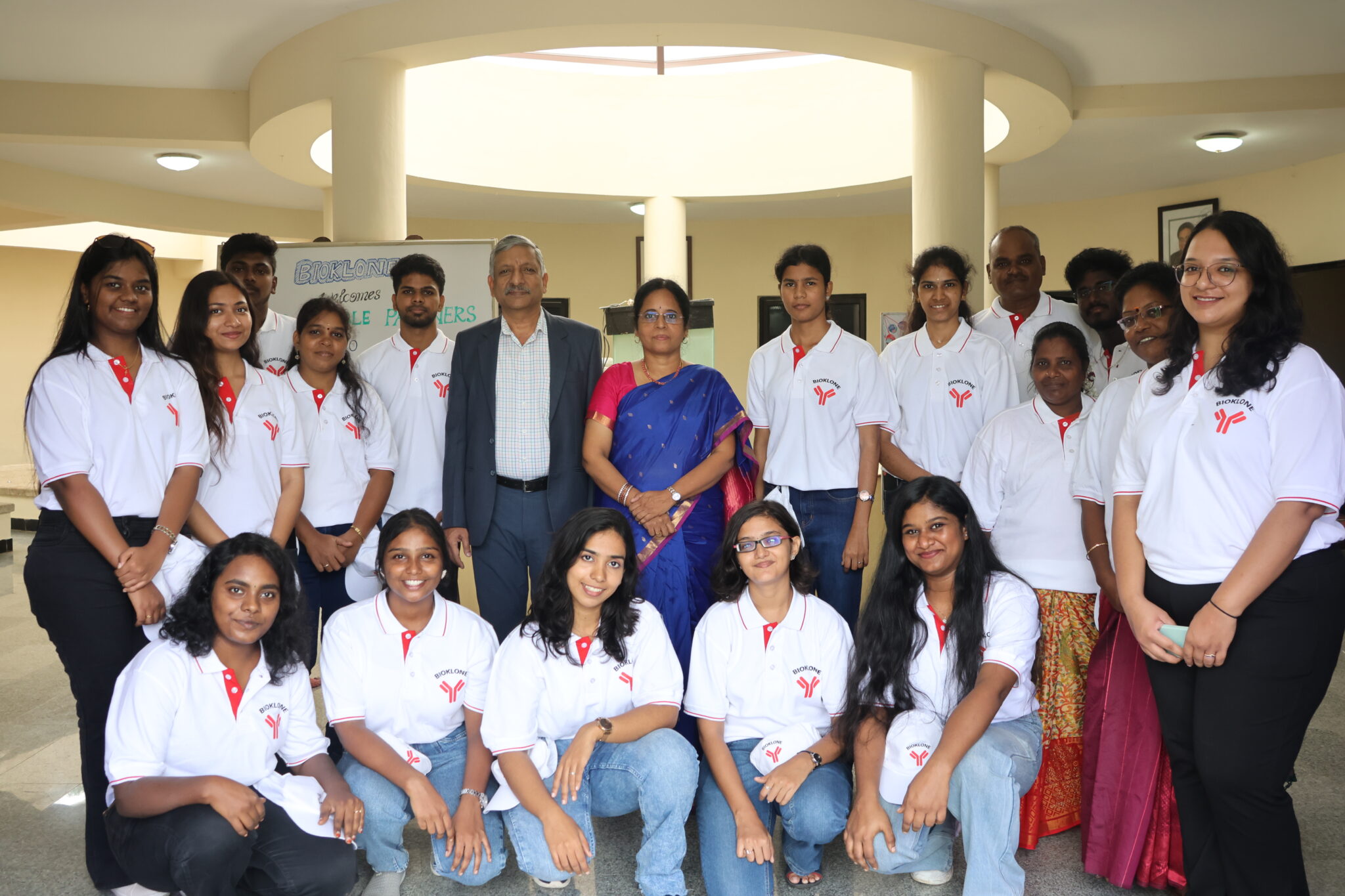
Dr Rajeshwari with her staff
Over the past two decades, Bioklone has expanded from developing custom antibodies for academic scientists to offering end-to-end services for academia, diagnostic companies and the pharmaceutical industry.
Bioklone’s current services include peptide designing, expression and purification of recombinant proteins, development of antibodies in rabbits and mice, purification and labelling of antibodies and development of assays for the antibody users. Bioklone has vast experience in the development of pharmacokinetic (PK) and anti-drug antibody (ADA) assays for the study and assessment of new biosimilars and drug candidates, as well as in vitro assays using cell lines to study cell viability/proliferation.
It has carved a reputation due to its high success rate, end-user centric approach, competitive pricing and continuous technical support, all founded on Dr Rajeshwari’s thirty-three years of experience in the field. Besides the antibody and assay development services, Bioklone offers hands-on training to college students on the latest Biotechnology techniques in an inspiring research environment, thus providing an exposure to working in an industrial setup. Bioklone has been generating career opportunities for fresh graduates and post-graduates. New employees in the company receive rigorous training and handholding by Rajeshwari and senior team members before getting into complex projects. Through these gestures, Rajeshwari is creating a model of ethical and responsible entrepreneurship.
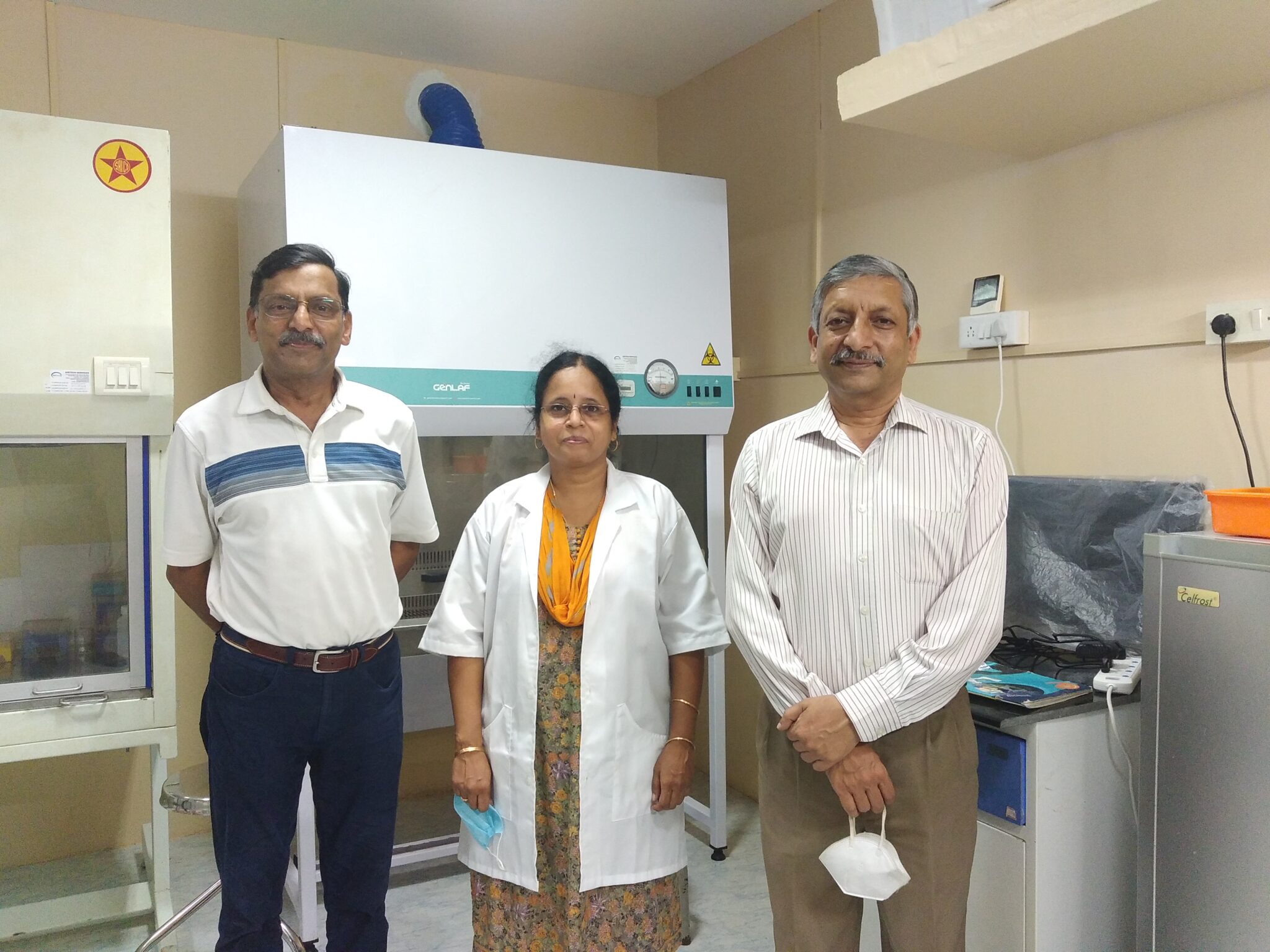
Dr Rajeshwari in her lab which has expanded from developing custom antibodies for academic scientists to offering end-to-end services for academia, diagnostic companies and the pharmaceutical industry
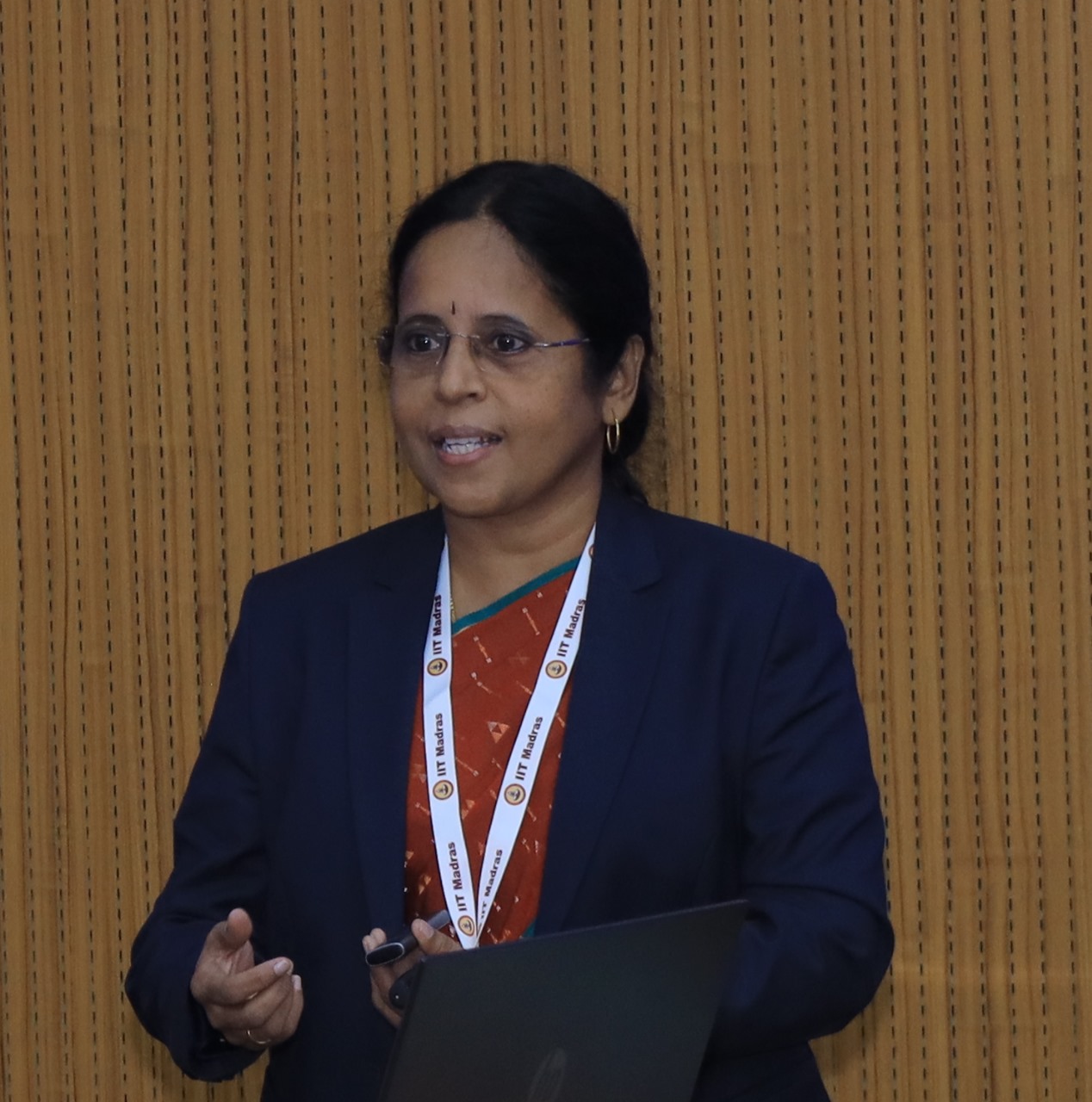
Dr K Rajeshwari’s work demonstrates how scientific training, combined with persistence and mentorship, can translate into entrepreneurship that supports research and creates opportunities
Rajeshwari often credits her mentors—Prof Anjali Karande at IISc and Prof Shobhona Sharma at TIFR—for their guidance and support at crucial stages of her career. She believes their mentorship helped her navigate the transition from academic research to entrepreneurship.
Former employees also speak of her role as a mentor. Sudhanarayani Rao, who joined Bioklone after completing her MSc, recalls that Rajeshwari trained employees from the basics and encouraged them to ask questions without hesitation. Inspired by this environment, Rao later enrolled in a PhD programme and hopes to become a scientist-entrepreneur herself.
Another senior employee, Neelamohan, describes Bioklone as a workplace where Rajeshwari takes an interest not only in professional development but also in the personal well-being of her team.
Rajeshwari also maintains close communication with clients during the development of products, regularly updating them on progress. She believes this approach helps build trust and long-term professional relationships. Over the years, Bioklone’s work has been cited in numerous international publications, and its antibodies are used by scientists across the world.
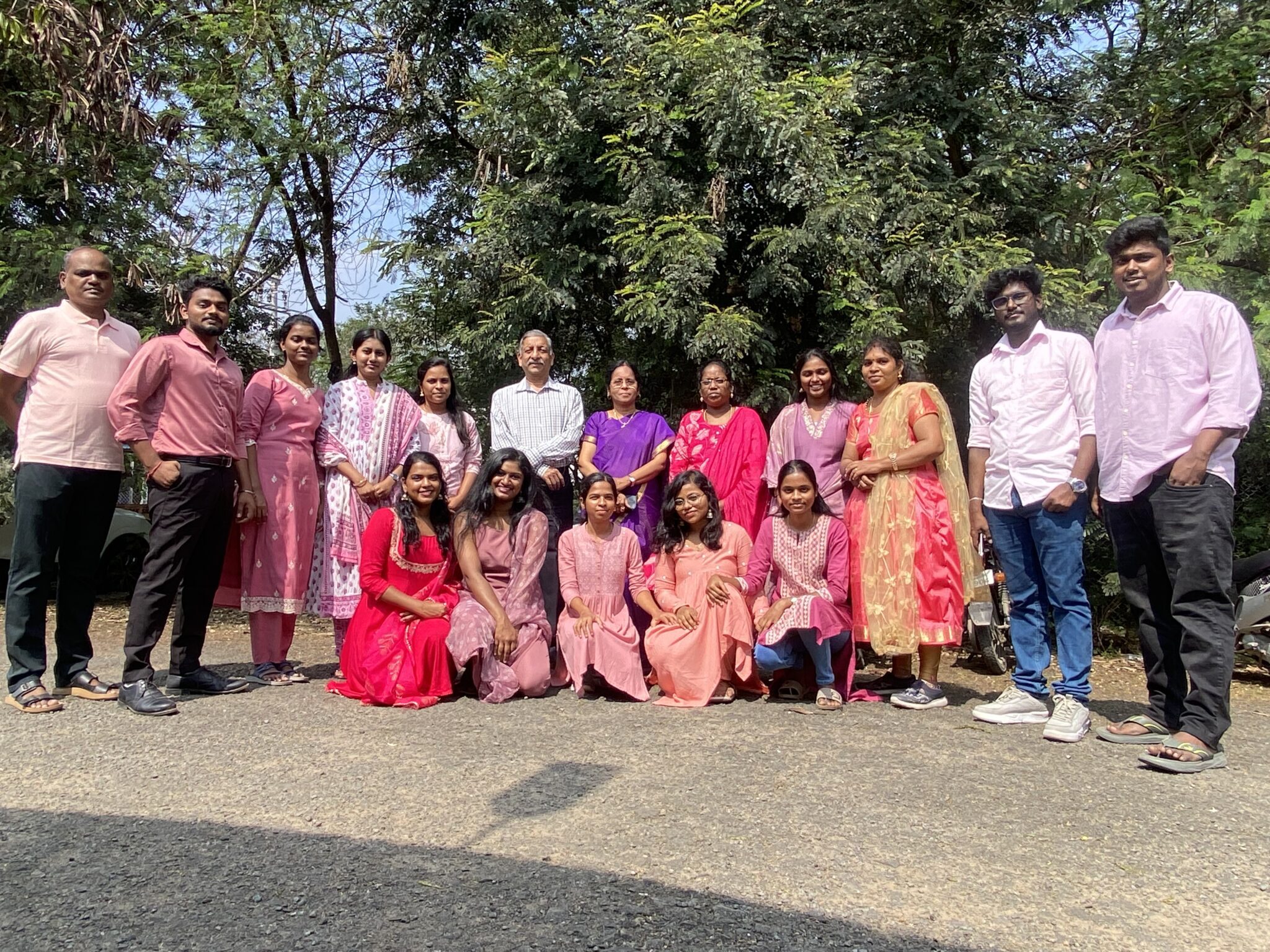
With her Bioklone family
Rajeshwari has won several awards and recognitions. She was featured in The CEO magazine among 30 dynamic business women and on CNBC TV in the series “Greatest Brands and Leaders-Asia and GCC” in 2020. She was also a recipient of the Women Empowerment Principles Leadership Awards 2019-20. Bioklone Biotech Private Limited was named “Best Custom Antibody Development Specialists – India” at the Global Health and Pharma Technology Awards in 2019.
Her work demonstrates how scientific training, combined with persistence and mentorship, can translate into entrepreneurship that supports research and creates opportunities for others.
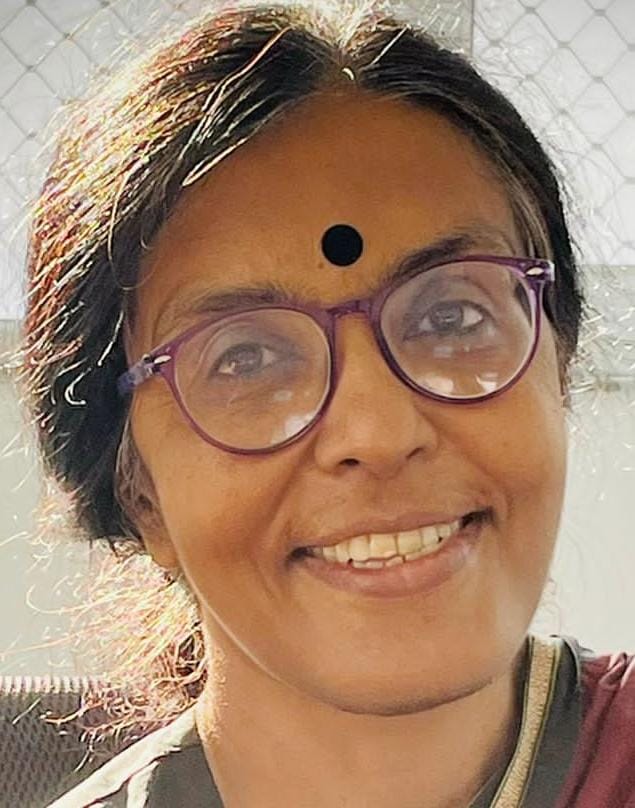
About the author
Jayanti Dutta is a Professor at Panjab University, Chandigarh and has been rooted in the academic ecosystem for over 25 years. With a PhD in Cytogenetics, her scientific journey began with a microscope but soon expanded to encompass training, mentoring, writing and public engagement in higher education. She takes pride in enabling educators to perform their roles more meaningfully. Her publications based on interdisciplinary exploration move between research, creative non-fiction, book criticism and science popularisation. She finds stories in classrooms, laboratories, public places and city corners, and tries to tell them with honesty and wonder.
Add a Comment